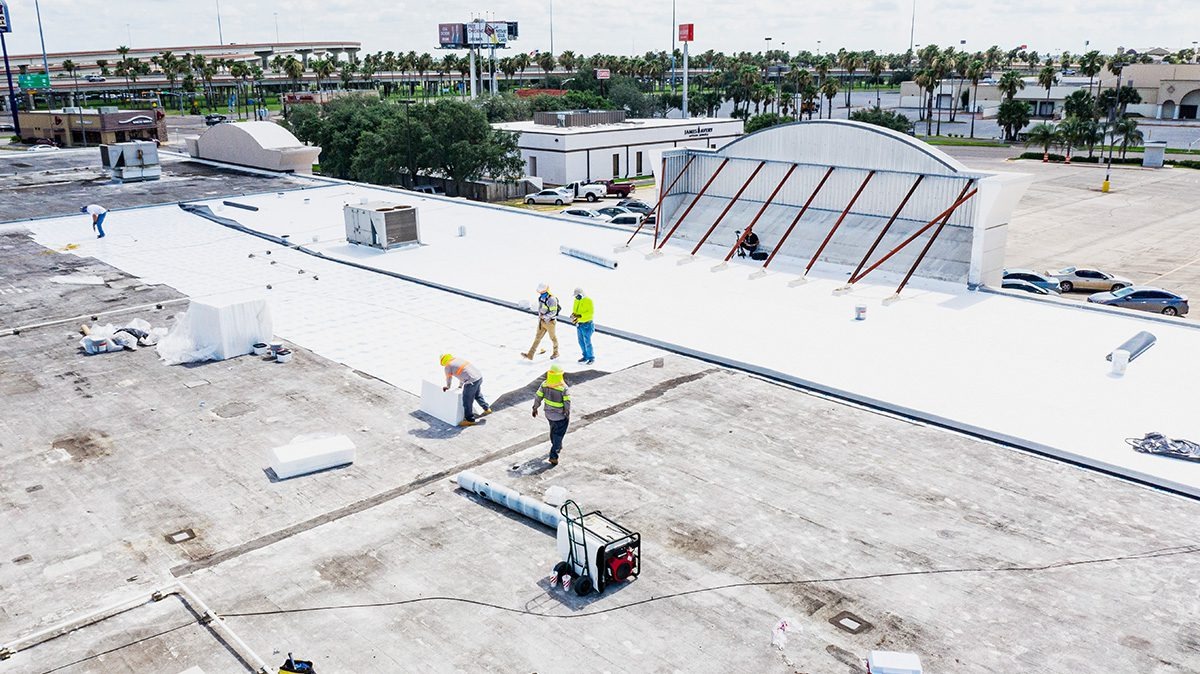
Cool Roof Systems Minneapolis, Reflective Membrane, MN Energy Code Compliance
Minneapolis sits in Climate Zone 6A, the most heating-dominated commercial building environment in the US lower 48. Cool roof specification in this climate requires balancing summer reflectance against winter R-value performance. We install and document reflective membrane and coating systems that
Cool roofs are often presented as a simple proposition: white membrane reflects heat, saves energy, and makes the building cooler. In Minneapolis, the analysis is more nuanced. Minnesota's Climate Zone 6A designation means the building spends far more annual energy on heating than cooling. A highly reflective roof surface that reduces summer cooling load also reflects solar radiation that would otherwise contribute to winter heating, the net energy benefit of cool roofing in Minneapolis is real but less pronounced than in Climate Zone 2 or 3 markets. The dominant reason to specify reflective membrane in the Twin Cities is Minnesota energy code compliance, not cooling energy reduction alone.
Minnesota energy code MN Rule 1323 (the state's commercial energy code, based on ASHRAE 90.1 with Minnesota amendments) specifies minimum solar reflectance values for low-slope commercial roofs in new construction and major reroofs. Standard white TPO, white EPDM, and light-colored PVC membranes meet this requirement without a coating. For buildings with existing dark membrane or aged BUR that need code compliance on a reroof project, a white reflective coating is the most cost-effective path to the required SRI threshold.
Summer rooftop temperatures on dark-surface Minneapolis commercial roofs reach 140 to 160°F, lower than Dallas or Phoenix but high enough to produce meaningful HVAC cooling load on single-story buildings with thin insulation stacks. White TPO membrane on the same building under the same summer sun holds surface temperatures in the 90 to 110°F range. The HVAC load difference is measurable and can be documented for LEED submittals, utility rebate applications with Xcel Energy's commercial efficiency programs, and investor energy-reporting requirements.
Minnesota Energy Code Reflectance Requirements
Minnesota Rule 1323 adopts ASHRAE 90.1 Chapter 5 roof requirements with Climate Zone 6A specifications. For low-slope commercial roofs in new construction and major reroofs, the code requires minimum aged solar reflectance of 0.55 and thermal emittance of 0.75, or a minimum solar reflectance index (SRI) of 64 when measured per CRRC test protocols. Standard white TPO and white EPDM membranes from all major manufacturers exceed these values with margin on initial installation and typically remain above the threshold through the first 10 years of service when adequately maintained.
The energy code compliance documentation that Minnesota building officials require at permit closeout includes the manufacturer's published SRI data for the installed membrane, the CRRC product listing confirming the tested reflectance and emittance values, and the energy compliance calculation showing the assembly meets the prescriptive path or alternative compliance approach. We prepare this documentation as a standard closeout deliverable on all commercial roof replacement projects that require a Minneapolis or Twin Cities municipality building permit, it is not an additional service request.
White Membrane vs Dark Membrane in Minnesota's Heating Climate
The energy argument for white membrane in Minnesota differs from southern markets. In Climate Zone 6A, heating degree days far outnumber cooling degree days, Minneapolis averages roughly 8,000 heating degree days versus 700 cooling degree days annually. A roof that reflects solar radiation in summer is also reflecting potentially useful solar heat gain in winter. Energy modeling of white vs dark roofs in Minneapolis typically shows annual energy benefit for white membrane in the range of 2 to 5 percent of total roof-related energy cost, meaningful but not as dramatic as the 10 to 15 percent cooling energy reduction common in Climate Zone 2 or 3.
The practical implication: reflective membrane is the correct specification for Minneapolis commercial roofs because it meets energy code requirements and delivers measurable summer cooling benefit, not because it is the dominant energy savings strategy. The R-value of the insulation stack under the membrane matters far more to annual energy performance in Minnesota's heating-dominated climate than the membrane's reflectance value. We specify both, reflective membrane for code compliance and HVAC load management, and tapered polyiso or iso insulation to R-30 code minimum for the thermal performance that actually drives the annual energy bill.
Utility Rebates and LEED Documentation for Minneapolis Buildings
Xcel Energy's commercial efficiency programs and the utilities serving the outer Twin Cities suburbs offer rebates for qualifying energy-efficiency improvements including cool roof installation with documented SRI improvement over the existing system. We provide the CRRC-certified product documentation and the before-and-after SRI data that rebate applications require. Rebate eligibility depends on the specific utility, the building's rate classification, and the scope of the project, we identify applicable rebate programs during the project scoping phase so owners can apply before project start rather than discovering eligibility after closeout.
LEED commercial projects in Minneapolis, including the office and mixed-use construction coming out of the North Loop and the Discovery District near the University of Minnesota, often use cool roof systems to contribute to the Heat Island Reduction credit (Sustainable Sites Credit 7). We document the SRI values, roof area calculations, and non-roof surface percentages that the LEED documentation template requires. Our closeout package for LEED projects includes the cool roof documentation formatted for submittal to the USGBC review process.
Does Minnesota require a cool roof on commercial buildings?
Minnesota Rule 1323 requires minimum reflectance and emittance values for new commercial construction and major reroofs on low-slope commercial buildings. Standard white TPO and EPDM membranes already meet Rule 1323 without additional treatment. If your reroof project requires a building permit in Minneapolis or a Twin Cities suburb, we include the Minnesota energy code compliance documentation, CRRC product listing, SRI data, energy compliance calculation, in the closeout package.
Does a white roof cause heating penalties in Minneapolis winters?
Minimally, based on energy modeling calibrated to Minneapolis climate data. The solar heat gain from a dark roof on a well-insulated building is a small fraction of the building's total heating load, the heating benefit of a dark membrane in a Minnesota winter is real but small. The cooling savings from a white membrane in summer, combined with the Minnesota energy code compliance requirement, makes white membrane the standard specification regardless of the marginal heating penalty in the winter months.
Can a reflective coating make my existing dark Minneapolis roof energy code compliant?
Yes, if the substrate qualifies for coating. A white silicone or elastomeric coating over black EPDM or aged modified bitumen brings the assembly SRI above Minnesota Rule 1323 thresholds, and CRRC-listed coatings have published SRI values accepted by Minneapolis building officials for energy code compliance documentation. The coating must also meet the substrate moisture and seam condition requirements for a manufacturer-backed warranty, the energy code compliance and the coating warranty qualification are evaluated in the same substrate assessment.