Minneapolis
Roof
Help

Stop
The
Leak

Inspect
Before
Replacing

Plan
The
Roof

Service

Commercial Roof Restoration and Coating in Minneapolis

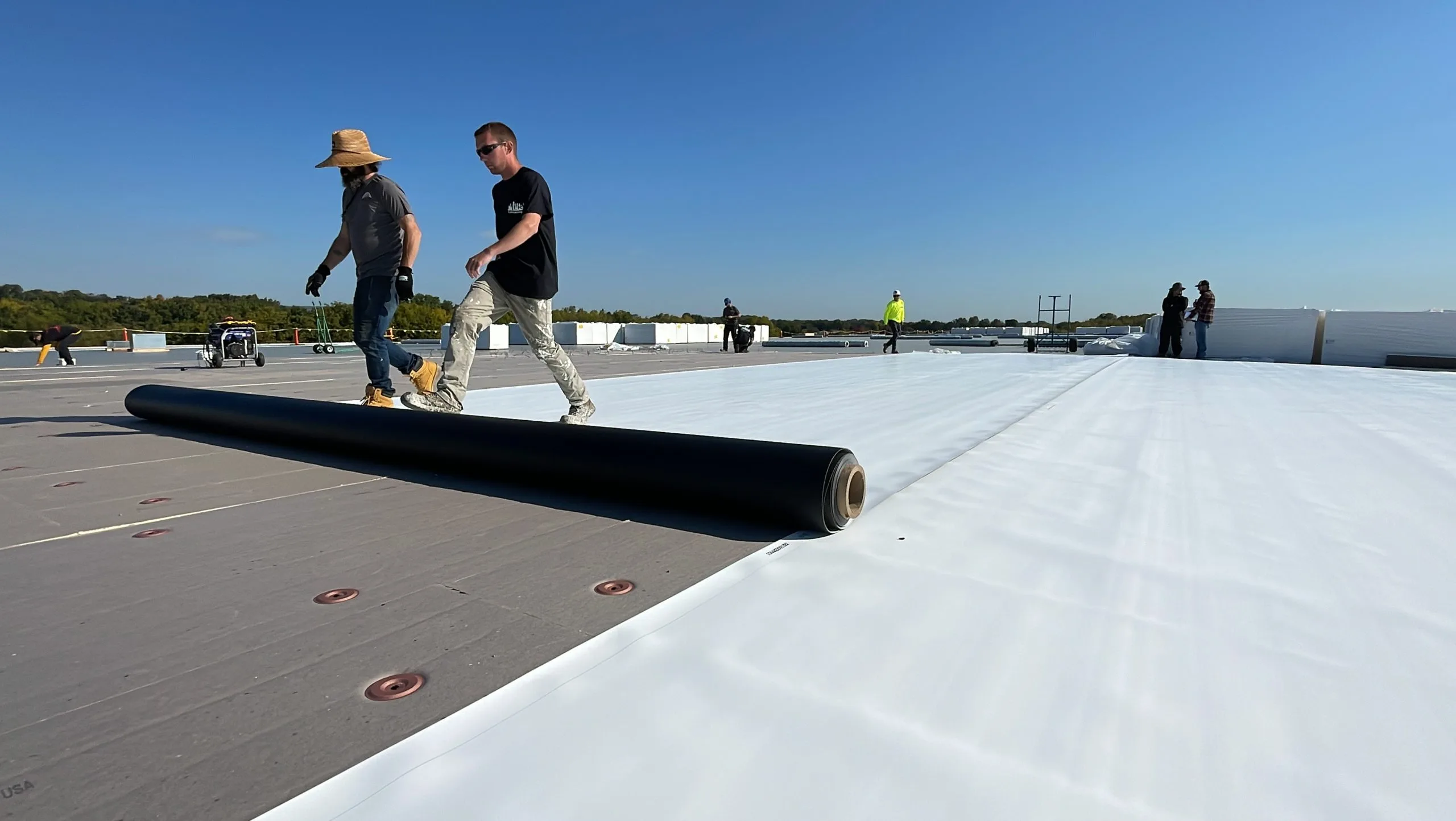
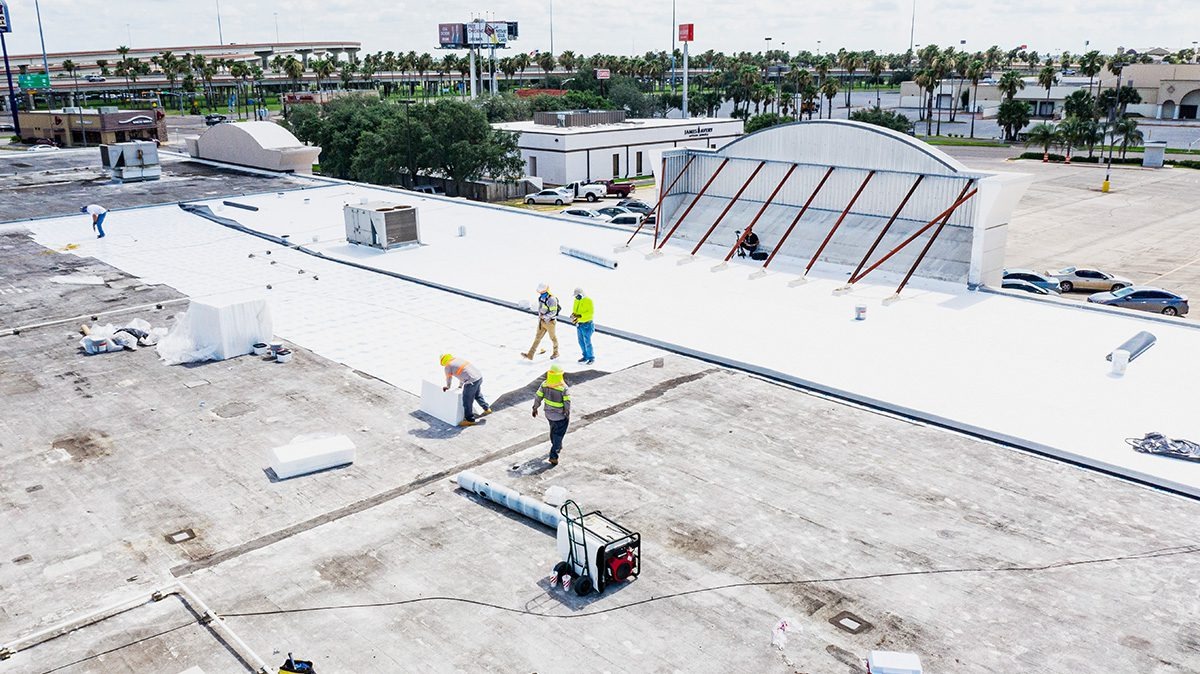
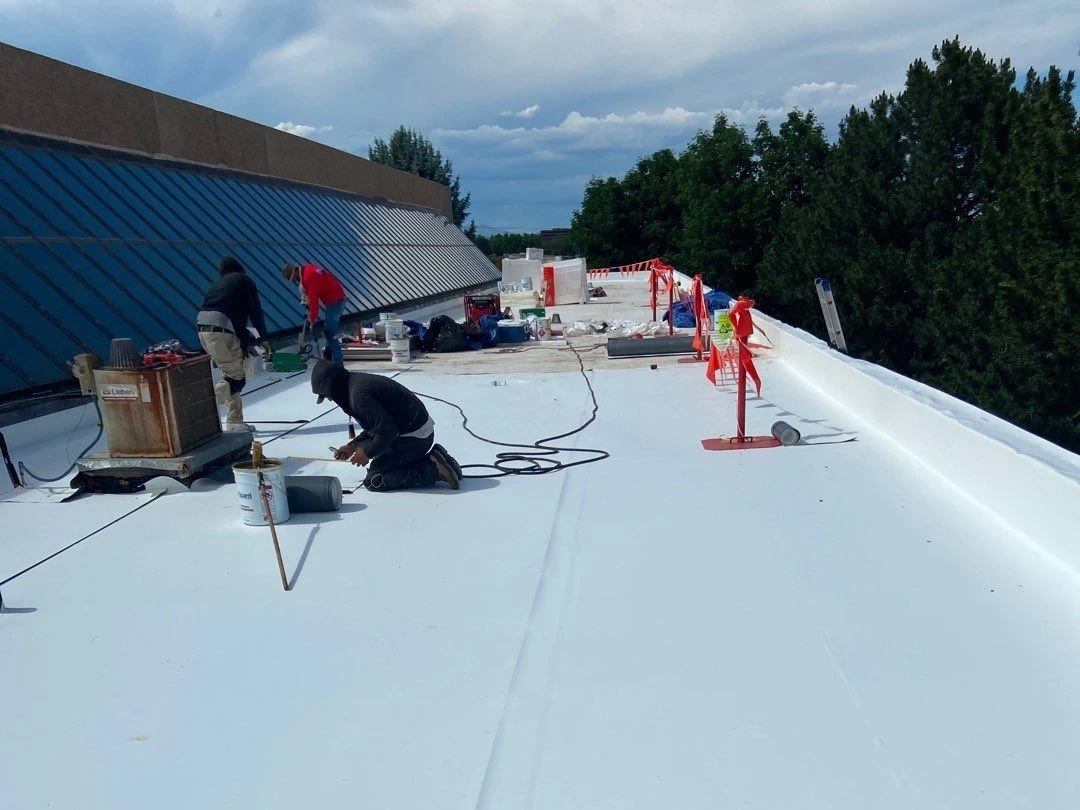
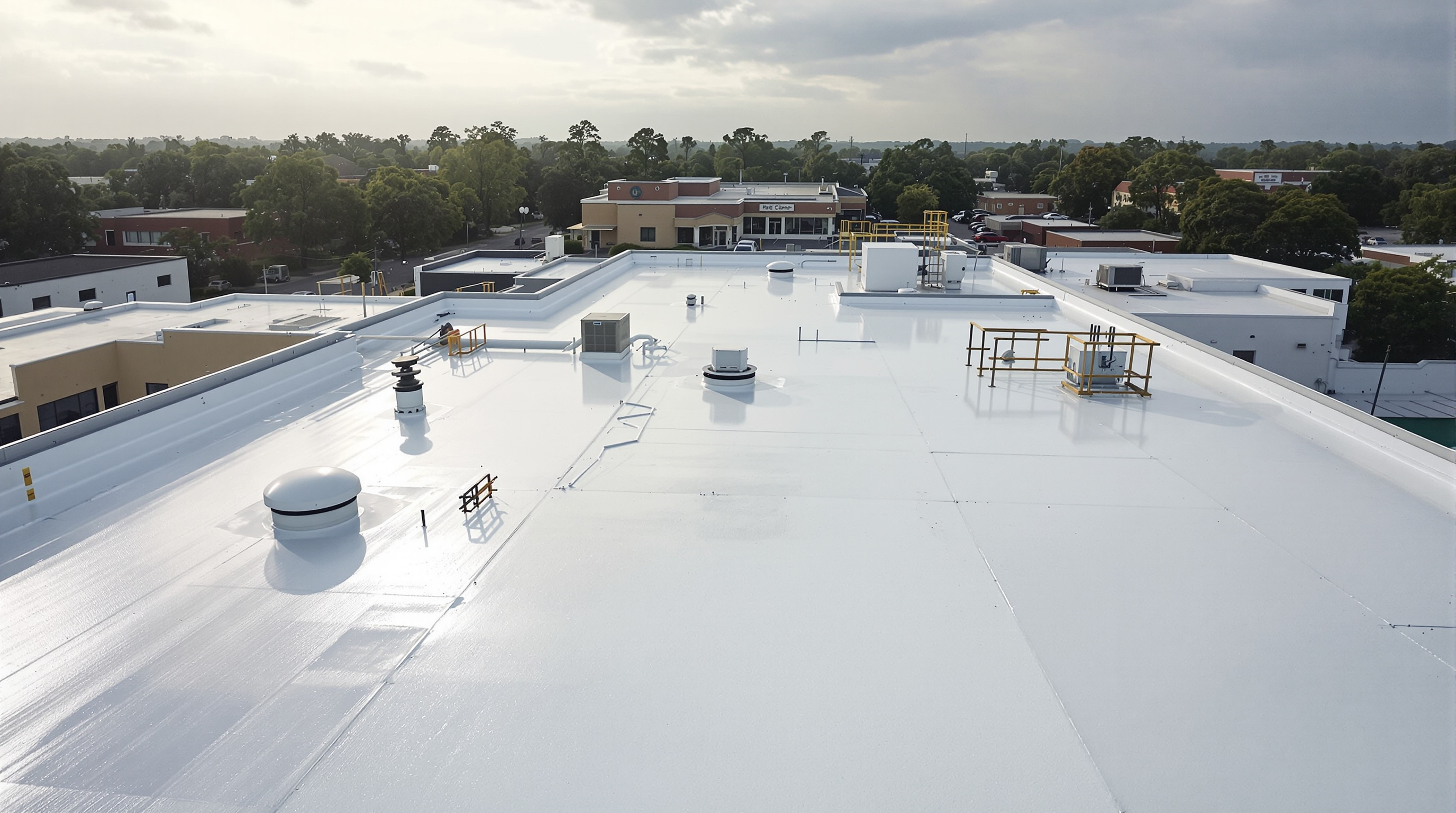
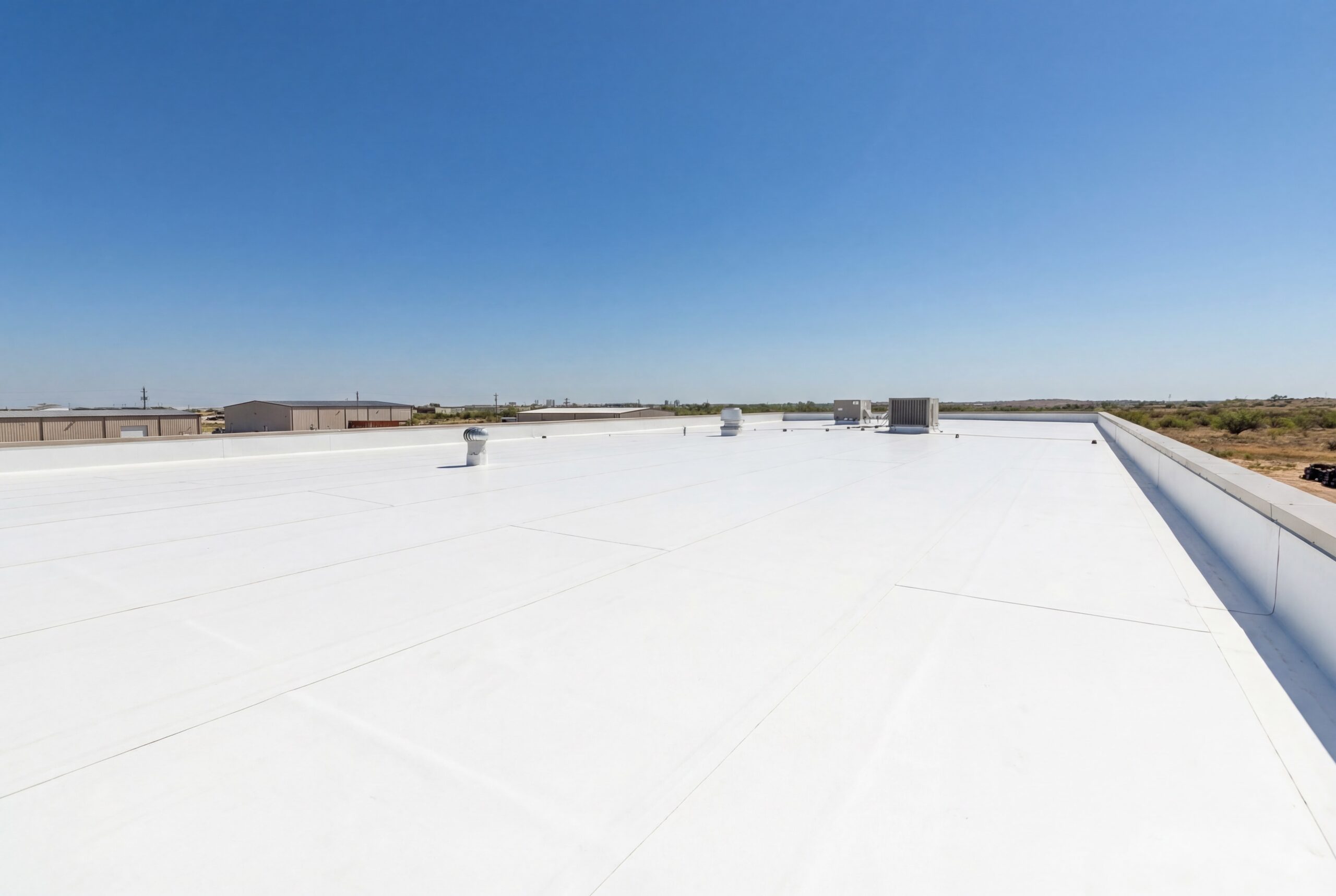
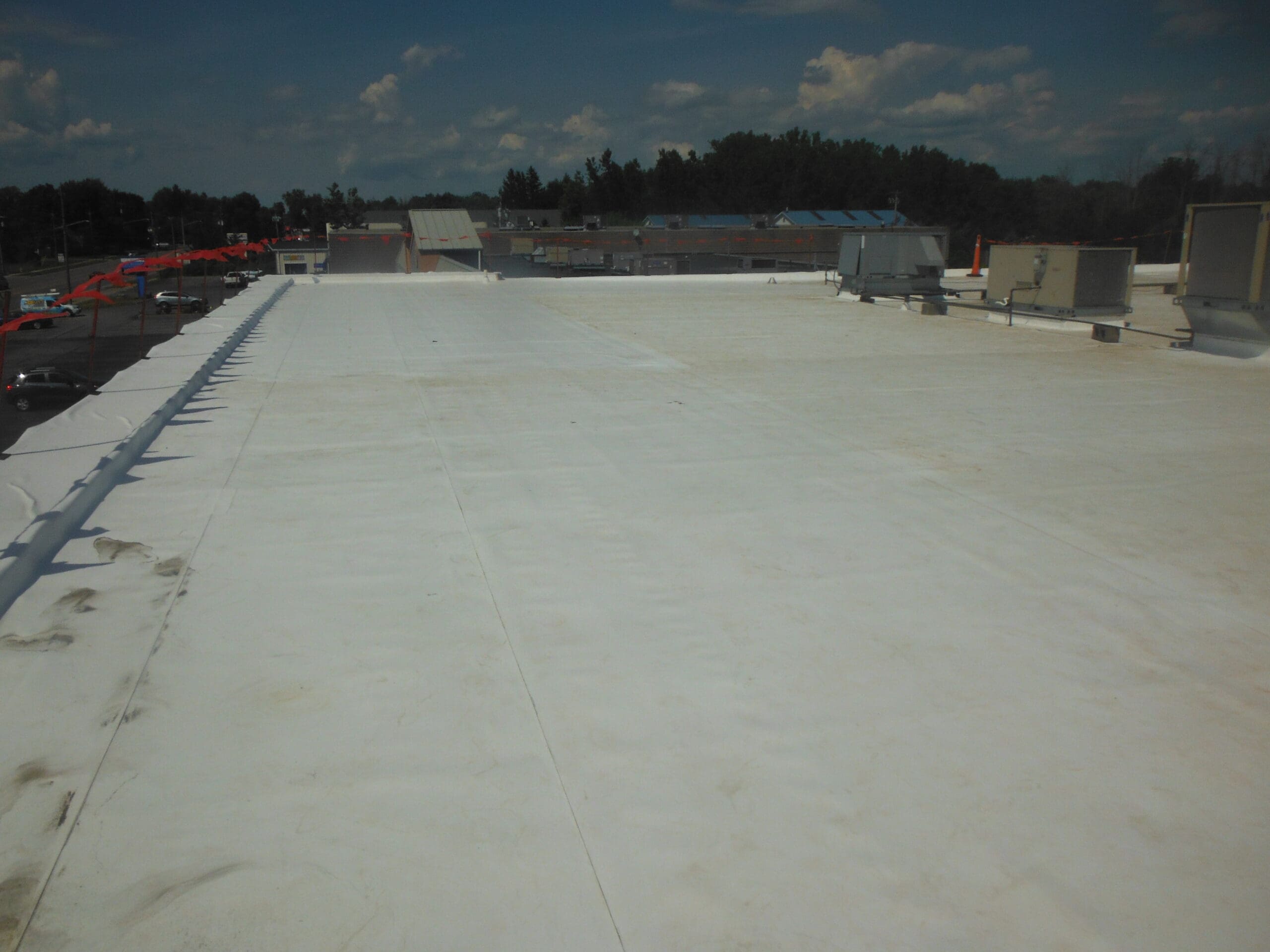
A coating recommendation starts with adhesion, moisture, drainage, membrane condition, detail preparation, and warranty eligibility—not every existing roof is a restoration candidate. A coating system is not a cover-up. On a Minneapolis roof that still has a sound substrate — confirmed by moisture cores — a silicone or acrylic coating extends service life by 10 to 15 years and qualifies for a new manufacturer warranty without a tear-off.

Roof coatings get oversold in the commercial roofing market. The coating that extends a sound roof's life by 10 to 15 years is a legitimate capital planning tool. The coating applied over saturated insulation or a membrane with widespread seam failure is a temporary cover that defers the replacement cost by 18 months and masks the underlying problem from the next buyer. We do not sell the second kind.

Our coating process starts with moisture cores — typically five to ten locations per 50,000 square feet of roof area — to confirm that the insulation under the membrane is dry. On Minneapolis commercial roofs, particularly the early-2000s TPO systems on Uptown mixed-use buildings and the modified bitumen roofs on North Loop warehouse conversions, we find saturated polyiso in a meaningful percentage of roofs that look coating-eligible on a surface inspection. Saturated polyiso under a coating is a structural risk in Minnesota snow load conditions: the insulation's R-value collapses under freeze-thaw cycling, and the wet insulation board can crush under 35-psf design loads.

Buildings that pass the moisture core evaluation get a written coating recommendation that includes the specific system, application rate, estimated service life extension, and the manufacturer warranty path — including what annual maintenance the warranty requires. We specify coating systems that are compatible with Minnesota's temperature extremes: silicone coatings that stay flexible at -25°F and reflect solar load at 95°F summer ambient, not acrylic systems that crack during freeze-thaw cycling when applied at below-minimum temperatures.

Coating Systems We Apply in Minneapolis

Silicone coatings: The most durable coating choice for Twin Cities freeze-thaw conditions. Silicone maintains flexibility across the full Minneapolis temperature range — -25°F to 140°F surface temperature — and is ponding-water resistant, which matters on flat roofs where drain design does not always provide perfect positive drainage. Silicone coatings are our default recommendation for buildings in the Downtown core, the North Loop warehouse district, and the Eden Prairie corporate corridor where ponding water is documented during inspection.

Acrylic coatings: Lower installed cost than silicone, appropriate for roofs with good positive drainage and in applications where the coating will be applied and allowed to cure before freeze-thaw season. We do not apply acrylic coatings after October in the Twin Cities — the cure requirements are not compatible with the November through March freeze-thaw cycle. On the Edina Southdale retail corridor and Bloomington commercial buildings near Mall of America where drainage is well-maintained, acrylics are a cost-effective option when applied in the May through September window.

Polyurethane coatings: Higher compressive strength than silicone or acrylic — appropriate for roofs with significant foot traffic, rooftop equipment access, or ballasted areas. On buildings near MSP airport and the Eden Prairie tech corridor where rooftop mechanical equipment requires frequent access, polyurethane foam with elastomeric top-coat is a durable option that handles the compression and abrasion from technician foot traffic.

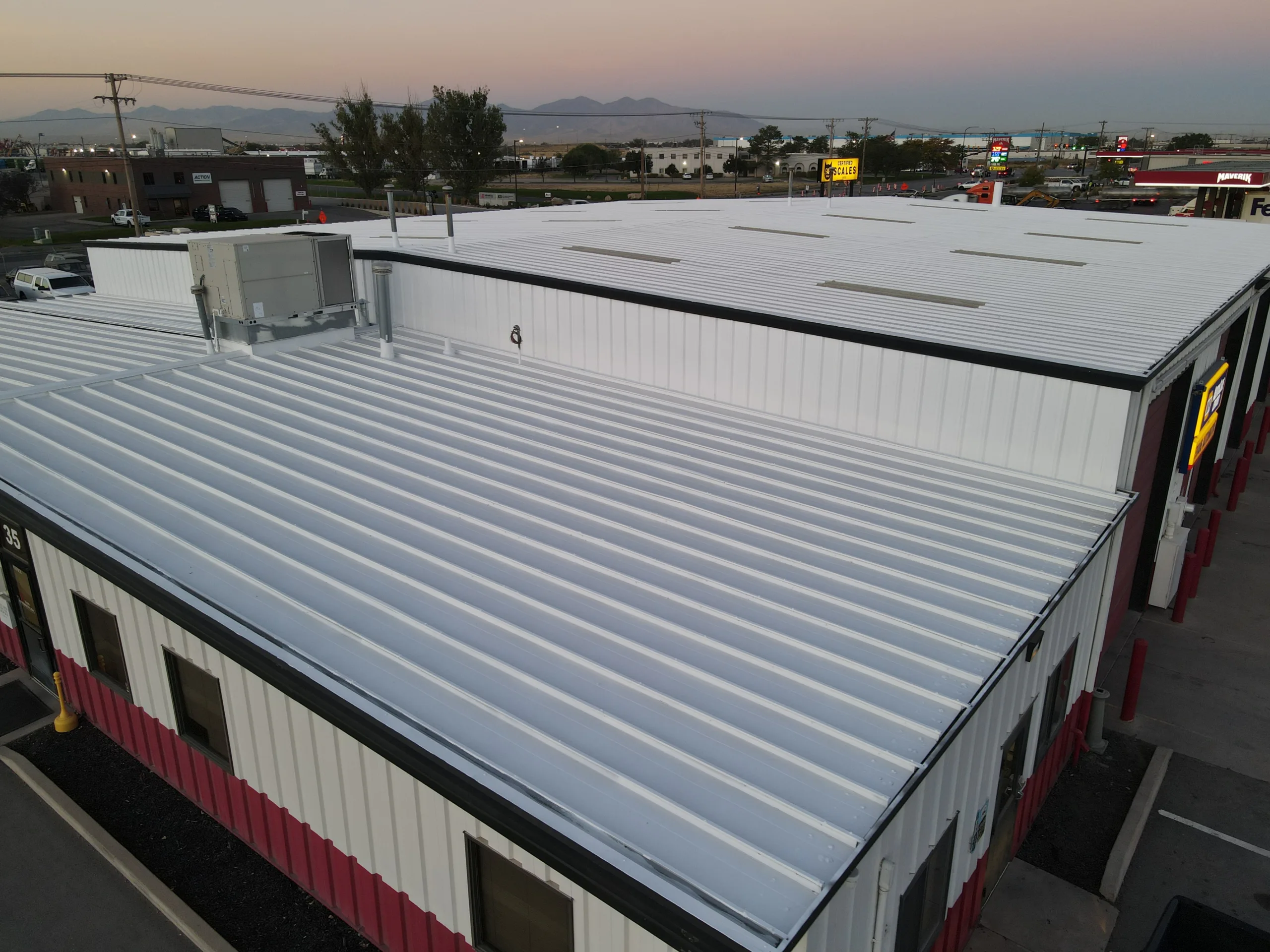
Metal roof coatings: The industrial inventory in Northeast Minneapolis, Brooklyn Park, and Maplewood (including buildings near the 3M campus) includes metal roof systems that develop rust, seam separation, and panel joint failures. Silicone-based metal roof coatings applied over cleaned and primed steel can extend service life by 15 years and eliminate active seam leaks without structural modification.

The Minneapolis Coating Eligibility Evaluation

A coating is a capital tool, not an emergency repair. We do not coat a roof that is actively leaking without first identifying and repairing the failure location — coating over an active leak seals the leak from above while the water continues to accumulate in the insulation below. We perform the following evaluation on every coating candidate:

Moisture core pulls in 5 to 10 representative locations — concentrated near drains, parapet walls, and known or suspected repair areas where insulation saturation is most likely. Any cores that read wet disqualify the immediate coating scope. We then develop a partial replacement scope for the wet zones, with coating applied after the insulation replacement is complete and confirmed dry.

Membrane adhesion test: Coating adheres to the existing membrane, not to the insulation — the existing membrane surface must be in adequate condition to accept and hold the coating bond. We test adhesion by applying and pulling a sample strip before pricing the full project. Failed adhesion on a modified bitumen roof often indicates oxidation that requires primer application; failed adhesion on an EPDM roof can indicate silicone contamination from prior product applications.

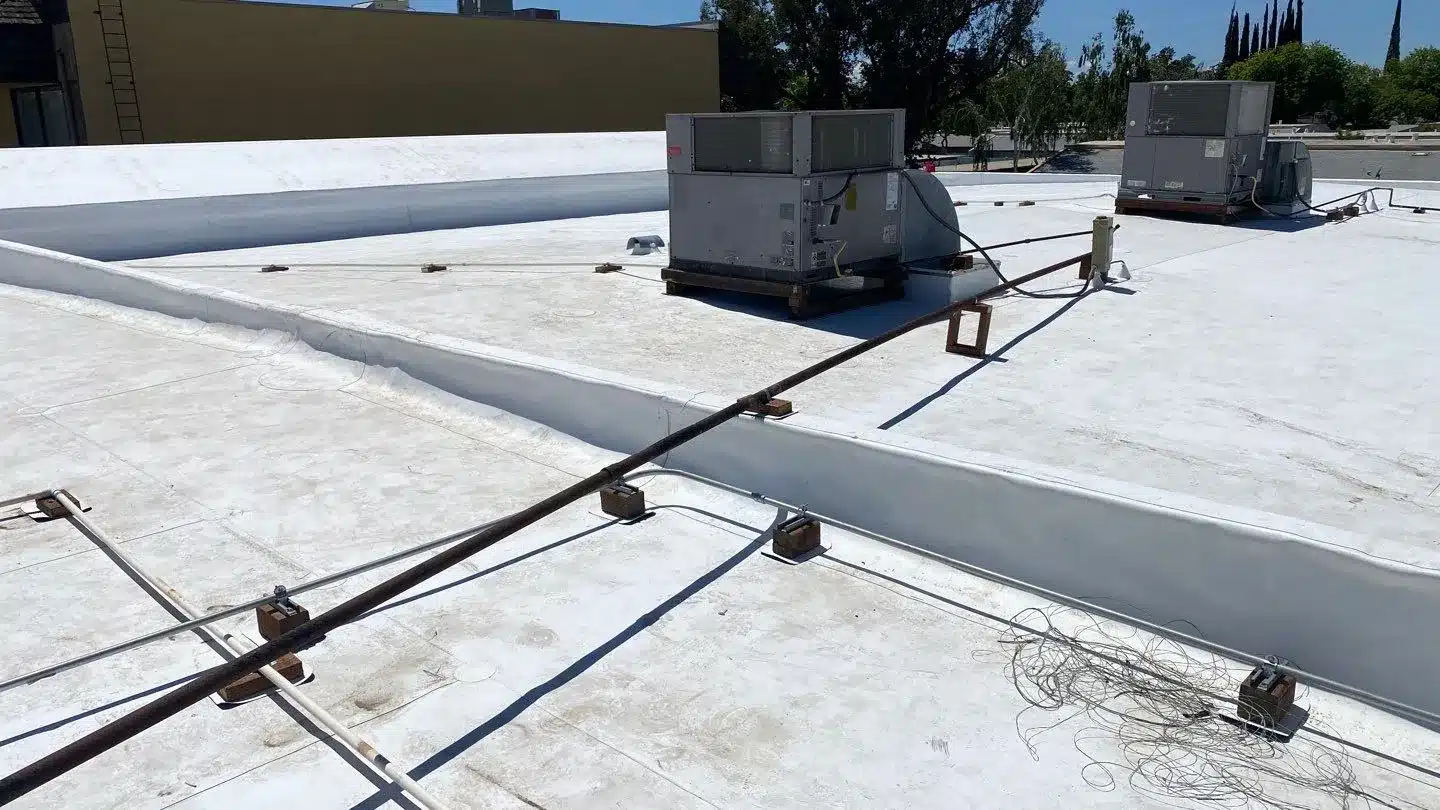
Seam and flashing inspection: A coating does not reinforce a failing seam. Every seam on the coating candidate roof gets a manual pull test and probe before coating. Failing seams are repaired with in-system material before coating is applied — the coating bridges minor surface texture, not structural seam openings.

Capital Planning Value in the Twin Cities Market

For facilities directors at the UnitedHealth Eden Prairie campus, the Target corporate portfolio in Brooklyn Park and Downtown, and the multi-building office parks along Prairie Center Drive in Eden Prairie, a coating cycle represents a documented capital deferral — a 10-to-15-year service life extension at 30 to 50 percent of full replacement cost. We document the coating project with the same closeout package we provide on replacements: moisture core results (pre and post), photo-keyed zone diagram, applied coating system and lot numbers, warranty documentation, and the maintenance requirements that keep the warranty active.

Annual maintenance on a coated Minneapolis roof includes a spring walk after the freeze-thaw season, a fall walk before snow loads arrive, drain clearing and lap inspection after any major weather event, and touch-up application on any areas that show wear from foot traffic or mechanical equipment contact. We include annual maintenance as a line item option in every coating proposal because the warranty is only as good as the maintenance record behind it.

Frequently asked questions

Can a coating be applied to a Minneapolis roof in winter?

No, for silicone and acrylic systems. Both require substrate temperatures above the manufacturer's minimum application temperature — typically 40°F to 50°F for silicone and 50°F for acrylic — and 24 to 48 hours of above-minimum temperatures during the cure window. Minneapolis commercial coating season is May through early October, with the best installation window being June through September. Polyurethane foam has somewhat lower minimum application temperatures but is not applied in precipitation or on frost-covered substrates.

How long does a commercial roof coating last in Minneapolis?

A properly specified silicone coating on a sound, dry substrate in Twin Cities conditions is expected to provide 10 to 15 years of service life extension, with performance warranties of 10 years available from major manufacturers. Acrylic coatings in appropriate drainage conditions run 7 to 10 years. Service life varies based on foot traffic volume, maintenance record, original substrate condition at time of application, and UV exposure. We document all pre-application conditions so the warranty claim baseline is defensible if needed.

Does a coating void my existing roof warranty?

It depends on the existing warranty terms and the coating manufacturer. Many major roofing manufacturers (Carlisle, Firestone, GAF, Tremco) offer coating products that are approved for application over their membrane systems and that reset or extend the warranty term when applied. We specify coatings that are compatible with the existing system's warranty terms and document the manufacturer approval for the building's warranty file.

Get Started

Find out if your Minneapolis roof qualifies for a coating.

We will pull moisture cores, test membrane adhesion, inspect every seam and flashing, and give you a written assessment — with the coating scope and warranty path if the roof qualifies, and the replacement scope if it does not.

Request a Roof Report

Roof work has to fit real operations

Building operations change how the same roof work is performed. On Religious Building Roofing, Funeral Home Roofing, or Bank Financial Building Roofing, access, interior sensitivity, security, and working hours can define the safe sequence. Document roof access, sensitive rooms and inventory, deliveries, public entrances, tenant hours, exhausts and air intakes, interior evidence, and the route used to move tools and debris. These conditions belong in the written scope before scheduling. Wet-weather work may stop at stabilization because permanent materials need a clean, dry substrate and a workable forecast. Daily closeout should state what was opened, completed, and left under temporary protection.

Make repair, restoration, and replacement distinct decisions

The recommendation must answer whether the roof is a viable restoration candidate, whether only selected areas qualify, or whether recover or replacement is the more responsible path. An isolated repair, repair program, restoration, recover assembly, and full replacement solve different condition patterns and should not be presented as interchangeable price levels. Compare the distribution of wet materials, attachment and deck concerns, drainage, detail density, repair frequency, disruption, expected ownership period, energy goals, code assumptions, and warranty requirements. Cost without those differences is not a lifecycle comparison. A smaller scope is not automatically prudent, and a larger scope is not automatically safer. The defensible option is the one whose boundaries match the documented condition and the owner's operating requirements.

Turn the visit into a usable next step

The practical handoff is a documented comparison of repair, restoration, recover, and replacement rather than a coating-first recommendation. The next person should receive the property address, roof-area identifiers, contacts, access notes, photographs, temporary measures, completed work, open recommendations, and timing. The record should support both field work and management review. Technicians need locations and prior details; ownership needs priorities, open risk, completed spending, next inspection dates, and a defensible future sequence. Local Roofers can keep inspection and maintenance active while repair, restoration, or replacement moves through a separate project opportunity. The path remains response, evidence, the right scope, closeout, and the next scheduled roof decision.

A useful response starts before roof access

The first conversation about an aging but potentially serviceable roof where owners need to know whether repairs and a coating or recover system can extend useful life without concealing wet or failed materials should establish the Minneapolis property address, contact on site, roof-access method, affected interior area, when water was first observed, whether entry is active, and any immediate safety concern. Interior photographs can preserve stain limits and active-drip locations before ceiling materials are moved. Roof photographs from facility staff may help with orientation, but they do not replace safe field verification or authorize untrained personnel to enter the roof. The response plan should match the reported condition without promising a cause, permanent repair, or arrival time that has not been verified. Dispatch clarity is valuable precisely because it avoids unsupported assumptions.

Price the known work without hiding the unknowns

A proposal should distinguish verified quantities from allowances and investigation from construction. Roof area, repair limits, test cuts, wet-material removal, deck repair, drain work, equipment coordination, and interior protection can carry different pricing certainty. Alternates are useful when they compare real decisions, such as repair versus restoration preparation or recover versus tear-off. They are less useful when major necessary work is moved out of the base price simply to make one proposal appear lower. When assumptions are visible, the owner can decide whether to investigate further before award or carry a controlled contingency. Either choice is stronger than discovering that two supposedly comparable bids covered different roofs.

How Minneapolis operating conditions shape the review

Weather around Minneapolis, MN combines deep cold, snow, ice, freeze-thaw transitions, and compressed roofing seasons. The timing of that exposure can reveal a weak detail, yet the weather event and the leak source are not automatically the same thing. Start with the room, ceiling grid, equipment, wall line, and time of entry, then carry those coordinates to the roof. Comparing high and low points, rooftop details, prior patches, and flow paths is more reliable than standing over the first wet-looking surface. Commercial roof decisions improve when the field record is built before a preferred solution is selected. Record what was observed, what remains an inference, and what weather, access, equipment, overburden, or concealed construction prevented the crew from confirming.

Build a roof record another decision-maker can use

The core deliverable is a record of roof type and age, core or moisture findings, repair boundaries, substrate condition, adhesion results, drainage, penetrations, edge details, preparation, thickness assumptions, and exclusions. Local Roofers should be able to hand that record to ownership, a facility manager, or another contractor without a separate verbal explanation. During the visit, the technician should confirm the existing assembly, investigate moisture, test adhesion where appropriate, define repairs and preparation, and verify that drainage and details can support the proposed system. Wide views, detail views, measurements, markings, and interior references make the findings reproducible instead of dependent on memory. The closeout should identify today's completed scope and tomorrow's unresolved work independently. That structure is especially important when several vendors, tenants, or ownership representatives will rely on the same roof file.

Do not force different roof systems into one repair assumption

A detail that is repairable on EPDM Roof Systems may require different preparation or materials on Standing Seam Metal Systems or TPO Roof Systems. Existing layers, surfacing, attachment, and earlier repair products matter before new materials are selected. Record membrane type, surfacing, insulation and cover-board clues, attachment, flashings, penetrations, edges, and earlier repairs. If the assembly cannot be confirmed visually, say so and define the core or document review needed to confirm it. A localized defect may be repairable while saturated insulation or chronic ponding changes the wider recommendation. That is why roof construction and moisture evidence must be connected to whether the roof is a viable restoration candidate, whether only selected areas qualify, or whether recover or replacement is the more responsible path.

Minneapolis decision checklist

  • Map the interior symptom to a named roof area before selecting a repair detail.
  • Record temporary measures separately from permanent work and list every open item.
  • Verify drainage, penetrations, walls, edges, earlier repairs, and transitions around the affected area.
  • State the observed roof assembly, unknown construction, access limits, and testing assumptions.
  • Connect the recommendation to repair, restoration, replacement, maintenance, or capital-planning thresholds.
  • Set the next inspection or follow-up date so the roof history continues after this visit.

Commercial roof decision questions

Does this condition automatically mean the roof must be replaced?

No. The review should establish whether the roof is a viable restoration candidate, whether only selected areas qualify, or whether recover or replacement is the more responsible path. Replacement becomes a defensible recommendation only when the field evidence, moisture, assembly condition, repair history, deck or attachment concerns, and lifecycle comparison support it.

What should the Minneapolis roof scope document?

It should document roof type and age, core or moisture findings, repair boundaries, substrate condition, adhesion results, drainage, penetrations, edge details, preparation, thickness assumptions, and exclusions. It should also label temporary and permanent work separately, state assumptions and exclusions, and identify the inspection or service step that follows the current scope.

How does an urgent call become a maintenance or capital plan?

The immediate visit creates the first roof-area record. A follow-up inspection establishes condition and priorities. Completed repairs, recurring observations, drain service, warranties, and future recommendations are then retained so maintenance stays scheduled and larger work can be placed into the appropriate capital year.

From service call to roof plan

Use the next decision, not the biggest sale.

Stabilize the problem, document the roof, compare the viable paths, and keep the resulting roof history active.
Request commercial roof help

Get a Free Estimate
Copyright © 2026 Commercial Roofers of Minneapolis All Rights Reserved.
linkedin facebook pinterest youtube rss twitter instagram facebook-blank rss-blank linkedin-blank pinterest youtube twitter instagram
Repair or replacement question

Inspect the flat roof before pricing the answer.

Document wet areas, drainage, details, and remaining service life first.

Request a Roof Inspection
Tired of reactive roof calls

Put the building on a service agreement.

Scheduled inspections, repairs, drainage checks, and clear roof records.

Ask About Roof Service

Stop the leak. Then make the right roof decision.

Know What Failed Before You Spend
Documented condition

Know What Failed Before You Spend

A commercial roof inspection separates urgent repairs from deferred work and shows whether coating, recover, or replacement deserves the budget.

Turn Repair Calls Into a Roof Service Plan
Planned next steps

Turn Repair Calls Into a Roof Service Plan

Keep leak history, repairs, drainage checks, photos, and budget priorities tied to the same building instead of starting over after every storm.

Minneapolis commercial roof desk

Tell us what is happening at the building.

Use the short form for an active leak, inspection, roof report, service agreement, coating review, recover option, or replacement plan.

Need help now? Call 612-712-4052