Commercial Roof Service Agreements in Minneapolis, MN
Pull your roof warranty out of the file and read past the coverage term. Somewhere in the document, usually under owner responsibilities, the manufacturer spells out what it expects: periodic inspections by a qualified roofing contractor, documented, dated, and kept on record. Twenty-year coverage is conditional coverage. When a claim gets filed, the first thing the manufacturer's technical department asks for is the maintenance file, and owners who cannot produce one discover their warranty has a hole in it exactly where the leak is.
A roof service agreement closes that hole. It is a standing arrangement: our crew services the roof twice a year on a fixed schedule, and every visit produces the dated, photo-backed record the warranty language calls for, without anyone in your office having to remember to schedule it.
What the Manufacturers Actually Expect
GAF, Carlisle, Holcim Elevate, Johns Manville, the warranty programs differ in wording but not in substance: membrane and flashing inspections at regular intervals, drainage kept functional, penetrations and sealants maintained, and repairs made with compatible materials by qualified hands. An owner working through repair vendors one leak at a time almost never assembles that record. An agreement produces it as a byproduct of simply having the roof serviced properly.
Two Documented Visits a Year
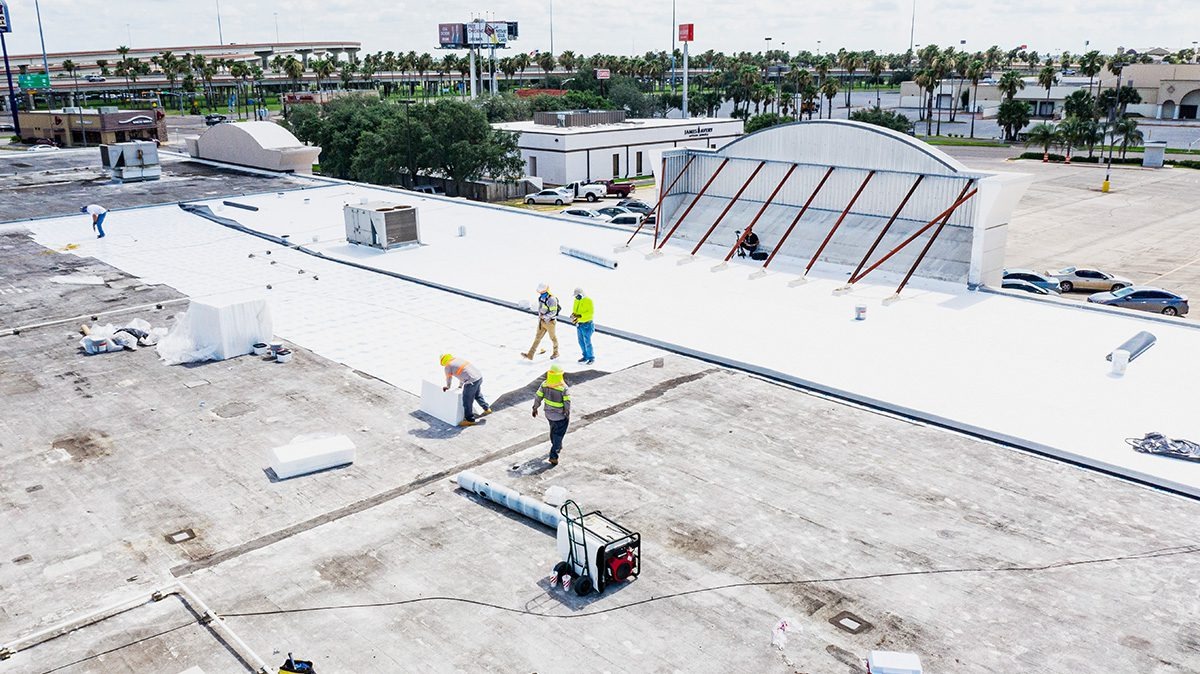
Each scheduled visit covers the full membrane, seams, terminations, penetration flashings, curb details, plus drain and scupper clearing and sealant touch-ups where UV and movement have opened them. Small repairs happen on the spot with manufacturer-compatible materials, and everything gets photographed. The report lands in your file within two business days: findings, corrections made, and anything that needs planned work before the next visit. Keep two of those per year and a warranty claim stops being an argument about whether the roof was maintained.
The schedule follows the Twin Cities calendar: a spring visit after the melt, when the winter's damage is visible and fresh, and a fall visit that doubles as storm-season review, hail scuffs, wind-lifted edge metal, drainage clogged by leaf drop. Office buildings on the 494 ring, warehouses along the 35W industrial belt, medical buildings that cannot tolerate a mid-January leak: the roster differs, the rhythm does not.
The Pre-Snow Visit
Minneapolis roofs earn a third stop. Before the first real snow, we walk the roof to clear drains, scuppers, and gutters so meltwater has somewhere to go mid-thaw, verify flashings and seams are sealed ahead of months of freeze-thaw cycling, and confirm no field defect is positioned to spend the season pumping water under snow load. A defect that would drip harmlessly in July becomes an ice-locked leak in January, and a warranty dispute in February. The pre-snow record also documents that the roof entered the season in maintained condition, which matters if snow-load damage ever becomes an insurance conversation.
Common Questions on Service Agreements
Does the agreement satisfy my warranty's inspection requirement? Yes, that is much of its purpose. The reports are formatted to go straight into the manufacturer's file: dated, photographed, and signed off by a qualified contractor.
Our roof has gone years without documented maintenance. Is it too late? No. The first visit establishes a photographed baseline and the record runs forward from there. A late-starting file is far stronger at claim time than an empty one.
Can our in-house facilities crew handle this instead? They can keep debris off the roof, and that helps. What they cannot do is generate the qualified-contractor documentation warranty programs expect, or make membrane repairs with materials and methods that keep coverage intact.
What happens if a visit finds a defect the warranty should cover? We document it to the manufacturer's evidence standard and help you file the claim, photos, dates, and the maintenance history that keeps it clean.
Is the agreement priced per visit or per year? Per year, flat, one number that covers both scheduled visits, the pre-snow check, drain clearing, and the minor repairs made during each stop. Larger repairs get photographed, quoted separately, and scheduled with agreement holders first in line.